ACERVO · Pelicula · 2006
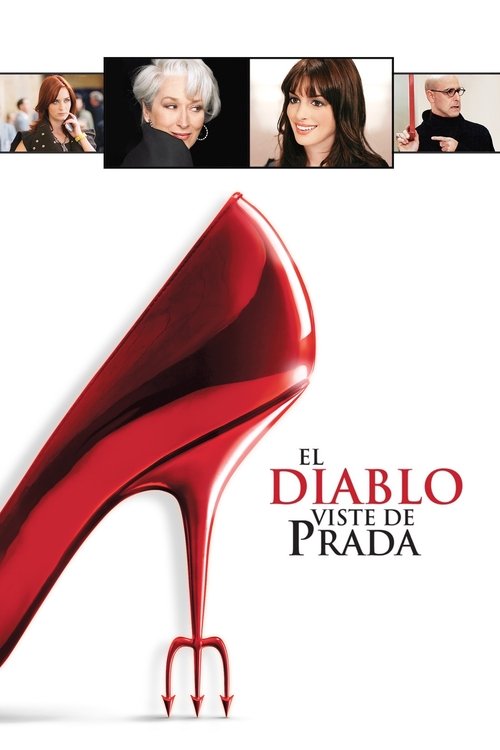
El diablo viste de Prada
The Devil Wears Prada
En el vertiginoso mundo de la moda en Nueva York, la revista 'Runway' es el Santo Grial. Dirigida con puño de hierro y elegante manicura por Miranda Priestly, trabajar en ella es un temible reto para todo aquel que quiera triunfar en ese mundo. Hacerlo como ayudante de Miranda podría abrirle cualquier puerta a Andy Sachs, recientemente graduada. Pero ella es una chica que destaca por su desaliño dentro del pequeño ejército de guapísimas redactoras de la revista. Andy comprende muy pronto que para triunfar en ese negocio va a necesitar algo más que iniciativa y determinación. Y la prueba definitiva está delante de ella, vestida de Prada de pies a cabeza.
* 7.4 TMDB (14.299)ComediaDramaEstados Unidos
Directores
Paises
Estados Unidos
Estudios
Fox 2000 Pictures · Wendy Finerman Productions · Dune Entertainment · Major Studio Partners
Duración
109 min
Clasificación
7 años
Estreno
29/06/2006
Puntuacion · TMDB
7.4 / 10 (14.299)
Donde ver
Streaming
 Disney Plus
 Apple TV Store
 Rakuten TV
 Amazon Video
Radar
Avísame cuando esté en streaming, alquiler o compra por debajo del precio objetivo.
Reparto


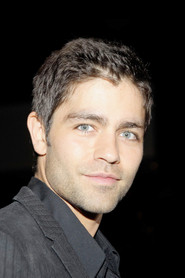

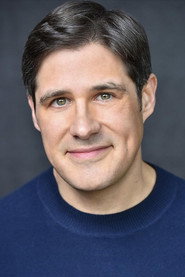
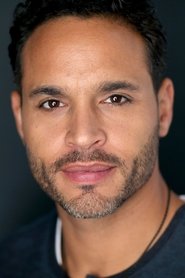
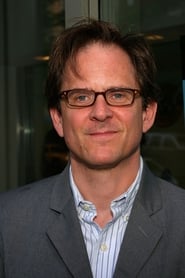
Comentarios
Inicia sesión para comentar y debatir sobre esta obra.
Cargando
Resenas de usuarios

Marco-Hugo Landeta Vacas
(CASTELLANO)
Hay películas que envejecen no tanto por lo que cuentan como por lo reconocible que se vuelve su mecanismo. El diablo viste de Prada sigue siendo muy entretenida, pero vista después de años de cine se nota la arquitectura del guion: la protagonista entra en un mundo que desprecia, empieza a adaptarse, descubre que el éxito tiene un precio y su vida personal comienza a resentirse. No es que la película lo haga mal; al contrario, lo hace con tanta eficacia que precisamente por eso se ve venir casi todo.
Lo que la eleva es la forma. David Frankel convierte una historia bastante clásica de transformación personal en una comedia elegante, ágil y con muchísimo ritmo. El mundo de la moda funciona como un ecosistema cerrado de jerarquías perfectamente marcadas. La película entiende que ese universo puede ser ridículo y fascinante al mismo tiempo.
Meryl Streep es la gran razón por la que la película sigue funcionando tan bien. Miranda Priestly podría haber sido una caricatura de jefa tiránica, pero Streep hace exactamente lo contrario: reduce, enfría y contiene. No necesita levantar la voz para dominar una habitación. Una mirada, una pausa o una frase casi susurrada bastan para que todo el mundo cambie de postura. Esa economía interpretativa convierte al personaje en algo mucho más interesante que una villana convencional.
Anne Hathaway sostiene muy bien el otro lado. Andy empieza mirando la moda con cierta superioridad, como si fuese un mundo completamente superficial y ajeno a cualquier forma de inteligencia real. La película acierta al poner también eso en cuestión. Una de sus mejores ideas es recordarnos que detrás de lo aparentemente frívolo hay trabajo, conocimiento, negocio, cultura y una cadena de decisiones que termina influyendo incluso en quienes creen no participar de ella.
Emily Blunt entiende perfectamente el tono y logra que un personaje competitivo, neurótico y cruel resulte divertido sin convertirse en una simple caricatura. Stanley Tucci aporta humanidad y experiencia: parece conocer las reglas del juego y también el coste de sobrevivir dentro de él. Adrian Grenier representa la vida exterior a ese universo, aunque vista hoy algunas tensiones personales alrededor de Andy resultan más discutibles que en 2006.
Ahí aparece algo que me interesa al revisarla: la moral de la película no ha envejecido de forma tan limpia como su estilo. Es evidente que el trabajo puede devorar la vida personal, pero el guion parece a veces demasiado empeñado en sugerir que crecer profesionalmente y alejarse de tu antigua versión equivale necesariamente a perder autenticidad. Hoy también se nota que algunos personajes que reprochan a Andy sus cambios no parecen muy dispuestos a comprender lo que significa para ella esa oportunidad.
Ese conflicto entre ambición y vida privada funciona, pero está construido con una plantilla muy reconocible. Cuanto más cine ves, más detectas el deje de los guionistas: la pareja que se distancia, la tentación de una vida más brillante, el descubrimiento de que el éxito exige sacrificios, la crisis de identidad y la necesidad de redefinir prioridades. Son piezas que aparecen una y otra vez. Aquí están bien colocadas, pero dejan de sorprender porque conocemos demasiado bien el dibujo completo.
Por eso lo mejor no está en adivinar hacia dónde va la historia, sino en observar cómo llega allí. El vestuario, los montajes, las oficinas, el ritmo de trabajo, los cambios de actitud y la manera en que Andy empieza a ocupar el espacio de otra forma construyen una transformación que se entiende visualmente antes incluso de verbalizarse. La película hace avanzar al personaje a través de detalles aparentemente superficiales.
También resulta interesante que critique ese mundo mientras disfruta enormemente mostrándolo. Hay clasismo, crueldad, competitividad y relaciones laborales abusivas, pero también glamour, creatividad, belleza y acceso a lugares deseables. Esa contradicción es fundamental porque permite comprender la atracción que ejerce el entorno. Si todo fuese miserable desde el principio, el dilema de Andy carecería de sentido.
Miranda es precisamente quien impide que la película quede reducida a una moraleja demasiado sencilla. Sin justificar su comportamiento, el guion deja entrever que el poder también exige sacrificios y que quienes dominan una estructura pueden estar al mismo tiempo atrapados dentro de ella. Esa pequeña grieta basta para darle profundidad y para que Streep pueda mostrar algo más que autoridad helada.
El diablo viste de Prada no me sorprende demasiado como historia, y ahí noto cuánto se repiten ciertas estructuras cuando llevas muchas películas encima. Pero sigue siendo una comedia muy bien hecha, con ritmo, estilo y un reparto magnífico. Meryl Streep la eleva a otro nivel, Hathaway funciona bien como eje de transformación y Blunt y Tucci enriquecen el mundo alrededor. Previsible en su esqueleto, pero muy eficaz en su ejecución.
(ENGLISH)
Some films age not so much because of what they tell, but because their mechanism becomes increasingly recognizable. The Devil Wears Prada is still very entertaining, but after years of watching films its screenplay architecture becomes obvious: the protagonist enters a world she looks down on, begins adapting to it, discovers that success has a price, and sees her personal life start to suffer. The film does not handle this badly; quite the opposite. It does it so efficiently that almost everything can be anticipated.
What elevates it is the execution. David Frankel turns a fairly classic story of personal transformation into an elegant, agile and very well-paced comedy. The fashion world works as a closed ecosystem with clearly marked hierarchies. The film understands that this world can be ridiculous and fascinating at the same time.
Meryl Streep is the main reason the film still works so well. Miranda Priestly could have been a caricature of a tyrannical boss, but Streep does the opposite: she reduces, cools and contains. She does not need to raise her voice to control a room. A look, a pause or an almost whispered sentence is enough to make everyone change posture. That restraint turns the character into something much more interesting than a conventional villain.
Anne Hathaway holds up the other side very well. Andy begins by looking at fashion with a certain superiority, as if it were a completely superficial world unrelated to real intelligence. The film is right to question that attitude too. One of its best ideas is to remind us that behind what appears frivolous there is work, knowledge, business, culture and a chain of decisions that ends up influencing even those who believe they are outside it.
Emily Blunt understands the tone perfectly and makes a competitive, neurotic and cruel character funny without turning her into a simple cartoon. Stanley Tucci brings humanity and experience: he seems to know the rules of the game as well as the cost of surviving inside it. Adrian Grenier represents life outside that world, although viewed today some of the tensions surrounding Andy feel more debatable than they perhaps did in 2006.
That is where something especially interesting appears on a rewatch: the film's moral has not aged as cleanly as its style. Work can obviously consume a personal life, but the screenplay sometimes seems too determined to suggest that professional growth and moving away from an earlier version of yourself necessarily mean losing authenticity. Today it is also easier to notice that some characters who criticize Andy's changes are not particularly willing to understand what that opportunity means to her.
The conflict between ambition and private life works, but it is built from a very recognizable template. The more films you watch, the more you notice the screenwriters' fingerprints: the relationship that grows distant, the temptation of a more glamorous life, the realization that success requires sacrifice, the identity crisis and the need to redefine priorities. These pieces appear again and again. They are well placed here, but they stop surprising because the overall pattern is too familiar.
That is why the most interesting thing is not guessing where the story is going, but watching how it gets there. The costumes, montages, offices, work rhythm, shifts in attitude and the way Andy begins to occupy space differently create a transformation that becomes visible before it is fully verbalized. The film moves the character forward through details that initially appear superficial.
It is also interesting that the film criticizes this world while clearly enjoying showing it. There is classism, cruelty, competitiveness and abusive workplace behavior, but also glamour, creativity, beauty and privileged access. That contradiction is essential because it explains the attraction of the environment. If everything were miserable from the beginning, Andy's dilemma would have no weight.
Miranda is precisely what prevents the film from collapsing into an overly simple moral lesson. Without excusing her behavior, the screenplay suggests that power also demands sacrifices and that people who dominate a system can still be trapped inside it. That small crack gives the character depth and allows Streep to show more than icy authority.
The Devil Wears Prada does not surprise me much as a story, and that is where I notice how often certain structures repeat once you have seen enough films. But it remains a very well-made comedy, with pace, style and an excellent cast. Streep raises it to another level, Hathaway works well as the axis of transformation, and Blunt and Tucci enrich the world around them. Predictable in its skeleton, but highly effective in its execution.
J
Jrloridan
★ 8.0 / 10
*"El diablo viste de Prada"* es una comedia dramática que fue estrenada en 2006, dirigida por David Frankel y basada en la novela homónima de Lauren Weisberger. La película se centra en Andrea Sachs (interpretada por Anne Hathaway), una joven que acaba de graduarse de la universidad y consigue un trabajo como asistente personal de Miranda Priestly (Meryl Streep), la implacable editora en jefe de una influyente revista de moda llamada *Runway*.
El filme explora el contraste entre los sueños de Andrea de ser una periodista seria y la realidad de tener que lidiar con las exigencias desmesuradas de Miranda, quien es despiadada y extremadamente exigente. A lo largo de la película, Andrea se ve obligada a adaptarse a un mundo superficial y opresivo, sacrificando su vida personal y sus principios en el proceso. La trama se mueve entre situaciones cómicas y momentos de reflexión sobre el impacto de las prioridades laborales y la lucha por encontrar un equilibrio en la vida.
Meryl Streep entrega una de sus actuaciones más memorables, dando vida a un personaje tan fascinante como aterrador. Su capacidad para interpretar la frialdad y el control absoluto de Miranda Priestly es uno de los pilares de la película. Anne Hathaway, por su parte, hace un trabajo sólido, mostrando la evolución de su personaje de una joven ingenua a una mujer que comienza a comprender el precio del éxito en este mundo competitivo.
La película también se destaca por su representación de la industria de la moda, mostrando tanto la superficialidad como el esfuerzo incansable que se requiere para sobresalir en este entorno. La estética visual, con un vestuario de lujo y paisajes urbanos de Nueva York, también juega un papel fundamental en la atmósfera de la película.
*"El diablo viste de Prada"* es una película entretenida que ofrece una mirada crítica al mundo de la moda y al mismo tiempo pone en cuestión las decisiones que tomamos en la vida profesional y personal. Su mezcla de humor, drama y reflexión la convierte en una de las comedias más populares de la década.
Palabras clave
new york cityjournalistparis, francebased on novel or bookjournalismfashion journalassistantjob entrantjob intervieweditor-in-chief
Enlaces relacionados