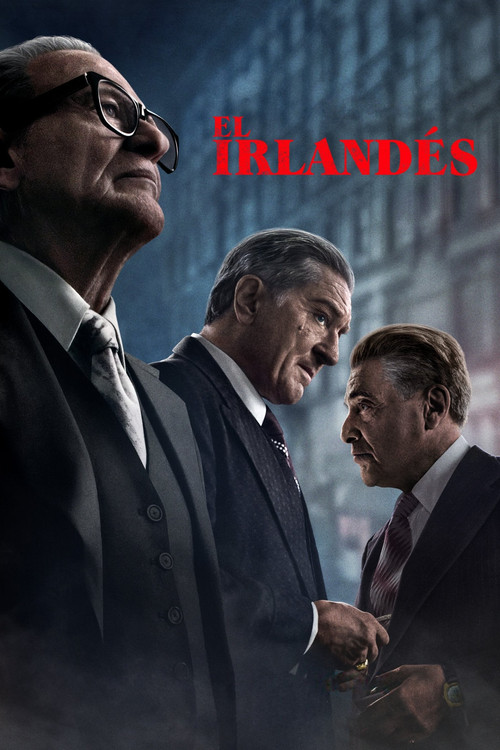
(CASTELLANO) El irlandés es Scorsese mirando atrás sin nostalgia fácil. Todo está ahí: el ascenso, la lealtad, la violencia cotidiana del mundo mafioso, pero contado desde un lugar distinto, más cansado, más lúcido. No es una película sobre lo rápido que se vive en ese entorno, sino sobre lo lento que se paga todo después.
Durante gran parte del metraje, la historia avanza con la naturalidad de quien ya ha recorrido ese camino muchas veces. Las conversaciones, los gestos, los rituales del crimen organizado suenan familiares, casi reconfortantes para quien conoce el cine de Scorsese. Pero poco a poco la película va cambiando el peso de lo que cuenta: importa menos el poder y más lo que se pierde por el camino.
El tono es clave. Aquí no hay romanticismo ni euforia. La violencia aparece integrada en la rutina, sin subrayados, y eso la vuelve más seca, más incómoda. Scorsese no filma el crimen como espectáculo, sino como una sucesión de decisiones que van cerrando puertas, una a una, sin que el protagonista parezca darse cuenta.
El reparto está en un estado de gracia absoluto. No se trata de lucimiento individual, sino de cómo se sostienen unos a otros, construyendo una sensación de tiempo que pasa y de mundo que se apaga. Hay una serenidad casi dolorosa en la manera de interpretar, como si todos supieran desde el principio hacia dónde se dirige todo.
Puede discutirse su duración, pero cuesta imaginar esta historia contada de otra forma. El irlandés necesita tiempo para que el desgaste se note, para que el silencio pese tanto como antes pesaban los disparos. Es una película crepuscular, reflexiva, y profundamente honesta.
Más que una recapitulación de su cine, es una despedida sin solemnidad. Scorsese no juzga, no explica, no perdona. Simplemente observa cómo el tiempo termina imponiéndose a todo. Y ahí, en ese último tramo, la película alcanza una emoción rara y duradera.
(ENGLISH) The Irishman is Scorsese looking back without easy nostalgia. Everything is here: the rise, the loyalty, the everyday violence of the mob world, but told from a different place, more tired, more lucid. This is not a film about how fast life moves in that environment, but about how slowly everything is paid for afterward.
For much of its runtime, the story unfolds with the ease of someone who has walked this path many times before. The conversations, gestures, and rituals of organized crime feel familiar, almost comforting for anyone who knows Scorsese’s cinema. But little by little, the film shifts its focus: power matters less than what is lost along the way.
The tone is essential. There is no romanticism or euphoria here. Violence is part of the routine, presented without emphasis, which makes it drier and more uncomfortable. Scorsese doesn’t frame crime as spectacle, but as a series of choices that quietly close doors, one after another, often without the protagonist noticing.
The cast is in absolute top form. It’s not about individual showmanship, but about how they support one another, building a sense of time passing and a world slowly fading. There’s an almost painful calm in the performances, as if everyone knows from the start where this is heading.
Its length can be debated, but it’s hard to imagine this story told any other way. The Irishman needs time for the erosion to be felt, for silence to weigh as much as gunshots once did. It’s a crepuscular, reflective, deeply honest film.
More than a recap of his career, it feels like a farewell without ceremony. Scorsese doesn’t judge, explain, or forgive. He simply watches as time inevitably takes over everything. And in that final stretch, the film reaches a rare and lasting emotional power.
 Netflix
 Netflix Standard with Ads