(CASTELLANO)
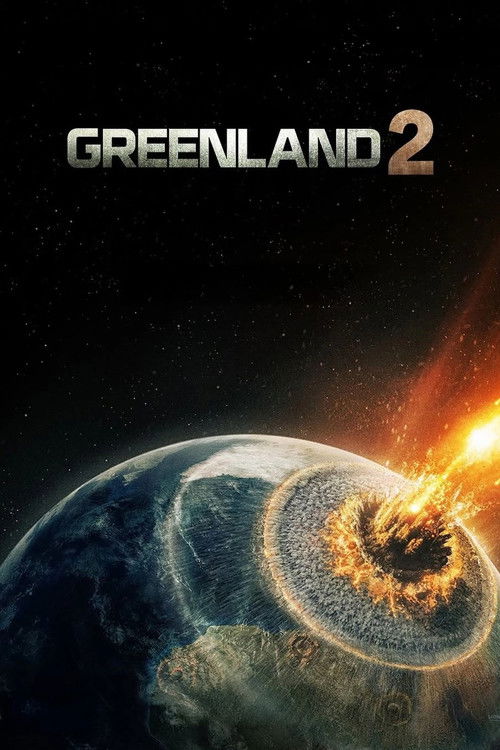
Cambiar el apocalipsis por sus consecuencias parecía una oportunidad estupenda para llevar la historia hacia otro lugar. El planeta ya está destrozado, la supervivencia se ha convertido en rutina y ahora la verdadera pregunta no es cómo escapar del desastre, sino qué clase de vida puede construirse después. Sobre el papel, Greenland 2 tiene incluso más posibilidades que la primera. El problema es que termina utilizándolas para hacer, en gran medida, más de lo mismo.
Ric Roman Waugh vuelve a apoyarse en Gerard Butler, Morena Baccarin y la idea de una familia obligada a avanzar de peligro en peligro. Butler sigue funcionando muy bien en ese tipo de personaje agotado que no tiene tiempo para convertirse en héroe porque está demasiado ocupado intentando mantener juntos a los suyos. Morena Baccarin aporta además una humanidad necesaria para que la película no se reduzca a una simple sucesión de amenazas.
Lo más interesante es el nuevo escenario. Ya no existe un mundo normal que proteger, sino restos de civilización, desplazamientos humanos, escasez y lugares que adquieren el valor casi mítico de una promesa de futuro. La búsqueda de un territorio donde pueda volver a crecer algo introduce una idea bonita: incluso después de una destrucción casi absoluta, la vida intenta abrirse camino.
Pero la película no profundiza demasiado en ese aspecto. Cada vez que parece que va a detenerse a explorar cómo funciona esta nueva sociedad, aparecen otro peligro, otra carrera o una nueva complicación. El mundo postapocalíptico termina siendo más escenario que verdadera idea. Había material para hablar de reconstrucción, migraciones, convivencia y de quién decide quién merece ocupar los pocos lugares seguros que quedan, pero casi todo queda subordinado al movimiento.
Ahí es donde aparece la sensación de repetición. Cambian las circunstancias, pero la dinámica resulta demasiado familiar: avanzar, encontrar un obstáculo, superarlo y seguir adelante. Hay secuencias eficaces y algún momento de tensión, pero cuesta sentir que esta segunda película tenga una identidad propia más allá de enseñarnos qué ocurrió después.
Tampoco ayuda cierta tendencia a forzar la plausibilidad cuando necesita mantener la aventura en marcha. En una película de catástrofes acepto bastante elasticidad científica, pero cuanto más intenta ampliar la escala, más evidente se vuelve que la lógica está al servicio de llevar a los personajes hasta el siguiente peligro.
Aun así, no me parece un desastre. Tiene ritmo, Butler sigue siendo un protagonista sólido para este tipo de cine y la idea de buscar esperanza dentro de un planeta arrasado conserva cierta fuerza. El problema es que una secuela debería aprovechar el nuevo mundo para descubrir algo nuevo, no limitarse a trasladar la misma fórmula a unas ruinas distintas.
Funciona como entretenimiento postapocalíptico, pero poco más. La primera tenía la urgencia de ver cómo desaparecía el mundo conocido; esta parte de un mundo que ya ha desaparecido y, paradójicamente, consigue sorprender bastante menos.
(ENGLISH)
Replacing the apocalypse with its aftermath seemed like a great opportunity to take the story somewhere different. The planet is already devastated, survival has become routine, and the real question is no longer how to escape disaster but what kind of life can be built afterwards. On paper, Greenland 2: Migration has even more possibilities than the first film. The problem is that it largely uses them to do more of the same.
Ric Roman Waugh once again relies on Gerard Butler, Morena Baccarin and the idea of a family forced to move from one danger to the next. Butler still works very well as the exhausted kind of character who has no time to become a hero because he is too busy trying to keep his family together. Morena Baccarin also brings the necessary humanity to prevent the film from becoming a simple succession of threats.
The new setting is the most interesting element. There is no longer a normal world to protect, only fragments of civilization, human displacement, scarcity and places that acquire an almost mythical value as promises of a future. The search for somewhere life might grow again introduces a beautiful idea: even after almost total destruction, life still tries to find a way forward.
But the film does not explore that idea very deeply. Whenever it seems ready to stop and examine how this new society works, another threat, another race or another complication appears. The post-apocalyptic world ultimately becomes more of a setting than a genuine idea. There was material here to explore reconstruction, migration, coexistence and who gets to decide who deserves access to the few safe places left, but almost everything is subordinated to momentum.
That is where the sense of repetition appears. The circumstances change, but the dynamic feels too familiar: move forward, encounter an obstacle, overcome it and continue. There are effective sequences and some tense moments, but it is difficult to feel that this second film has an identity of its own beyond showing us what happened afterwards.
It also does not help that plausibility is frequently stretched whenever the adventure needs to keep moving. I can accept plenty of scientific elasticity in a disaster movie, but the larger the scale becomes, the more obvious it is that logic exists mainly to push the characters toward the next danger.
Even so, I would not call it a disaster. It has pace, Butler remains a solid lead for this kind of film, and the idea of searching for hope on a ruined planet still carries some power. The problem is that a sequel should use its new world to discover something new rather than simply moving the same formula into different ruins.
It works as post-apocalyptic entertainment, but not much more. The first film had the urgency of watching the familiar world disappear; this one begins after that world is already gone and, paradoxically, manages to surprise far less.
 Amazon Prime Video
 Amazon Prime Video with Ads
 Apple TV Store
 Amazon Video